
The Psychology Behind Casino Gaming and Player Behavior
The casino floor is an environment engineered with absolute precision. Every element, from the layout of the gaming machines to the color of the carpet, is designed to influence human behavior. Walk into any major casino resort, and you are stepping into a complex psychological apparatus. For decades, the gaming industry has collaborated with behavioral scientists, psychologists, and spatial designers to create an ecosystem that maximizes the time a player spends gambling and optimizes their emotional engagement with the games.
Understanding the psychology behind casino gaming requires looking beyond the concept of chance or the desire to win money. While the financial incentive is the initial hook, the sustained behavior of players is driven by deep-rooted neurological pathways, cognitive biases, and sensory manipulation. By studying these factors, we can uncover how casinos transform standard games of probability into deeply immersive, habit-forming experiences.
Neurobiology and the Power of Intermittent Reinforcement
To comprehend why individuals continue to gamble even when facing consecutive financial losses, one must examine the neural reward systems of the human brain. The primary chemical driver behind gambling behavior is dopamine, a neurotransmitter associated with pleasure, motivation, and the anticipation of rewards.
The Dopamine Surge of Anticipation
A common misconception is that the brain releases dopamine only when a player wins a bet. Neurobiological research reveals that dopamine levels actually peak during the period of anticipation, right before the outcome of a game is revealed. The thrill of the rolling dice, the spinning roulette wheel, or the rotating slots reels triggers a profound chemical rush. The brain finds the state of uncertainty itself highly stimulating, meaning that the process of risking money becomes rewarding independent of the actual financial result.
B.F. Skinner and Variable Ratio Schedules
The structural foundation of all modern casino games is built upon a psychological principle discovered by B.F. Skinner known as a variable ratio schedule of reinforcement. In his behavioral experiments, Skinner found that organisms repeat a behavior most persistently when rewards are delivered unpredictably.
-
Fixed Rewards: If a machine rewards a subject every fifth time a lever is pulled, the subject quickly learns the pattern and stops playing when they are no longer interested.
-
Variable Rewards: If the reward is completely random, the subject continues to pull the lever indefinitely, driven by the belief that the very next attempt could be the jackpot. Casino games mimic this architecture perfectly, ensuring that players remain anchored to the game by the perpetual possibility of an imminent payout.
Environmental Psychology and Spatial Design
The physical space of a casino is explicitly constructed to alter a player’s perception of time, space, and expenditure. There are two primary architectural philosophies that have dominated casino design over the last half-century.
The Friedman House Design
Developed by pioneer Bill Friedman, the traditional casino layout focused on creating an intentional maze. Friedman advocated for low ceilings, winding pathways, and a complete absence of interior clocks or windows. The objective was to eliminate any external environmental cues that might remind a player of the passing of time or the world outside. In a Friedman-style casino, machines are packed tightly together, creating a compact, intense atmosphere where the player’s field of vision is entirely filled by gaming opportunities.
The Thomas Playground Design
In contrast to the claustrophobic maze approach, designer Roger Thomas revolutionized the industry by introducing the playground model, famously implemented in high-end resorts. Thomas argued that players gamble more when they feel safe, relaxed, and affluent. This design philosophy utilizes soaring ceilings, natural sunlight, wide walkways, and luxurious, elegant decor. By reducing the ambient stress of the environment and making the player feel like an elite guest, the playground model encourages longer stays and higher wagering limits.
Cognitive Distortions and the Illusion of Control
Human beings are naturally wired to look for patterns and meaning in random data. Casinos capitalize on this cognitive tendency, which manifests as specific biases that distort a player’s objective assessment of probability.
The Illusion of Control
Many casino games incorporate elements that give the player an active physical role, such as throwing the dice in craps, spinning a wheel, or choosing which cards to hold in video poker. While the mathematical odds of these games remain entirely fixed and indifferent to the player’s actions, the physical participation creates an illusion of control. Players mistakenly believe that their personal skill, timing, or physical touch can directly influence a completely random outcome, leading them to increase their wagers and play longer.
The Gambler’s Fallacy
The gambler’s fallacy is the erroneous belief that past random events can influence future random outcomes. This is observed prominently at the roulette table. If the ball lands on a red number six times in a row, a substantial number of players will immediately begin betting heavily on black, operating under the assumption that black is due to appear. In reality, each spin of the wheel is an independent event with an identical probability. Casinos actively encourage this bias by displaying electronic boards that track the history of recent winning numbers, feeding the player’s desire to chase non-existent patterns.
Near Misses and Losses Disguised as Wins
Modern electronic gaming machines are programmed to deliver a high frequency of near misses, such as showing two jackpot symbols on a payline with the third symbol resting just above or below. Psychologically, the brain processes a near miss not as a loss, but as a partial success, signaling to the player that they are close to winning and should continue trying. Furthermore, multi-line slot machines utilize a tactic called losses disguised as wins. A player might bet two dollars on a spin and receive fifty cents back. The machine celebrates this outcome with flashing lights, upbeat sound effects, and triumphant animations, tricking the player’s brain into feeling like they won, when they actually experienced a net financial loss.
The Sensory Architecture of Sound and Color
The auditory and visual environment of a casino floor is carefully calibrated to induce state changes in players, keeping them in a highly suggestible, focused state frequently referred to by psychologists as the slot machine zone.
The soundscape of a casino is dominated by specific musical frequencies and localized audio rewards. Traditional casinos often used loud, jarring alarm bells for big wins, but modern environments favor a continuous wall of sound consisting of low, rhythmic, electronic tones pitched in the key of C major. This specific key is associated with feelings of safety and nostalgia. These sounds blend together to create an acoustic blanket that masks ambient background noise and induces a light, trance-like state of focused attention.
Visually, casinos use color psychology to manipulate arousal levels. High-energy areas like table games often utilize intense reds and oranges to increase heart rates and promote risk-taking behavior. Meanwhile, the slot machine sections leverage deep purples, blues, and neon accents to create a mesmerizing, hypnotic aesthetic that allows players to disconnect from external stressors and focus entirely on the screen in front of them.
Frequently Asked Questions
What is the specific psychological mechanism behind the use of casino chips instead of cash?
The utilization of plastic chips or digital credits instead of physical paper currency leverages a psychological phenomenon known as the monetization effect. By separating the act of gambling from the tangible representation of money, casinos reduce the immediate emotional pain of losing. A hundred-dollar bill represents real-world value, labor, and purchasing power. A plastic chip feels like a play token or a game piece, lowering a player’s psychological inhibition against risking large sums of money.
How does the speed of a casino game alter a player’s rational decision-making capacity?
The velocity of a game is directly correlated with a reduction in deliberate, analytical thinking. Fast-paced games, such as electronic slot machines that allow a spin every few seconds, exploit systemic cognitive processing. When a player has only a brief window between rounds, their brain relies on rapid, emotional, intuitive responses rather than slow, calculating logic. This high-speed loop prevents the player from reflecting on their mounting financial losses or deciding to walk away.
Why do casinos offer complimentary rewards like free rooms or drinks to losing players?
Complimentary rewards, often called comps, function as a powerful psychological tool rooted in the principle of reciprocity. When a casino gifts a player a free hotel stay, a meal, or drinks, the player experiences a sense of obligation and gratitude. This hospitality masks the financial loss they may have suffered, rationalizes their behavior as a paid entertainment experience, and encourages them to return to the casino floor to continue playing as an unspoken thank you.
What role does social proof play in the popularity of specific casino table games?
Social proof is a psychological phenomenon where individuals mimic the actions of a crowd to determine correct behavior in a given situation. Games like craps are highly communal and loud. When a table is winning, players cheer, high-five, and celebrate collectively. This public display of triumph creates a powerful social magnet. Passing observers see the collective joy and deduce that the game is fun, exciting, and highly profitable, drawing them into the wagering circle based on the visible validation of others.
How does the framing effect influence how a player perceives their gambling budget?
The framing effect occurs when a person’s reaction to choice is determined by how the information is presented. Casinos masterfully frame gambling expenditures not as a financial loss, but as the cost of interactive entertainment, akin to buying a concert ticket or a fine dinner. By shifting the semantic frame from losing money to paying for an exciting experience, players can rationalize substantial financial losses without experiencing the accompanying psychological distress or regret.
What is the psychological difference between tracking a jackpot on a progressive versus a flat slot machine?
Progressive slot machines feature an escalating jackpot counter that increases in real time as players across a network make wagers. Psychologically, watching a massive financial number grow live on a screen creates an intense sense of urgency and salience. The player experiences an amplified fear of missing out, imagining the profound regret they would feel if another player stepped up and claimed the accumulation. Flat machines with fixed payouts do not elicit this specific temporal pressure.
How do modern online casinos replicate the psychological hooks of physical casinos?
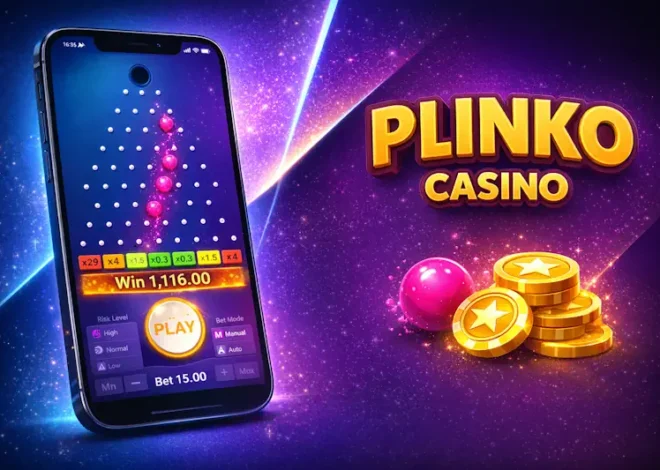
Online casinos replicate physical hooks by optimizing digital sensory cues and lowering transactional friction. They utilize high-definition graphics, immersive continuous soundtracks, and instant-win animations that mimic the slot machine zone. Furthermore, online platforms eliminate the physical step of handling money by using instant digital wallet attachments, one-tap betting interfaces, and continuous push notifications, creating a frictionless, private environment that allows for rapid, habitual gambling cycles.