
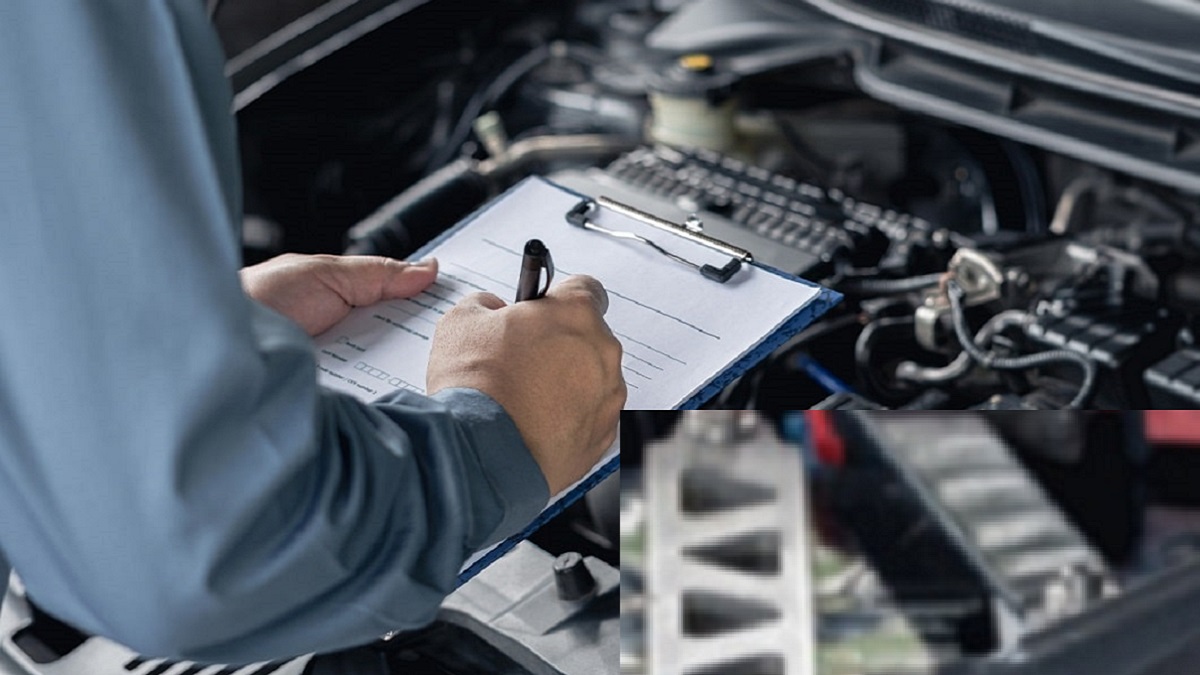
Best Practices for Maintaining Vehicle Performance
For most people, a vehicle is one of the largest financial investments they will make. Beyond the initial purchase price, the true value of an automobile is realized through its longevity, reliability, and daily operating efficiency. Yet, many drivers treat maintenance as a reactive chore, only addressing mechanical issues after a warning light illuminates or a component fails entirely.
Operating a vehicle in a reactive state is a costly approach that compromises safety, reduces fuel economy, and accelerates vehicle depreciation. To maximize mechanical efficiency and preserve structural integrity, vehicle ownership must be approached with a proactive maintenance strategy. By understanding the core systems of an automobile and executing systematic checks, drivers can ensure peak engine performance, reduce long-term repair costs, and extend the operational lifespan of their vehicle.
Fluid Management and the Science of Lubrication
Fluids are the lifeblood of any automotive system. They reduce friction, dissipate extreme heat, prevent internal corrosion, and provide the hydraulic pressure necessary to operate critical safety systems. Maintaining these fluids at correct levels and replacing them at specified intervals is the single most effective way to prevent catastrophic mechanical failure.
Engine Oil Optimization
Engine oil lubricates moving internal components, including pistons, crankshafts, and camshafts, which operate under extreme pressure and high temperatures. Over time, engine oil undergoes thermal breakdown, losing its viscosity and ability to protect metal surfaces. Furthermore, oil accumulates combustion byproducts, microscopic metal shavings, and carbon debris.
Adhering to the manufacturer recommended oil change interval is vital. While historical guidelines suggested changes every 3000 miles, modern synthetic oils can last between 7500 and 15000 miles, depending on driving conditions. Neglecting oil changes leads to sludge formation, which restricts oil flow and can cause total engine seizure.
Transmission and Drivetrain Fluids
The transmission experiences significant thermal stress while transferring power from the engine to the wheels. Transmission fluid acts as both a lubricant and a coolant. In automatic transmissions, it also functions as a hydraulic fluid to facilitate gear shifts.
Driving with old, contaminated transmission fluid can cause erratic shifting, slipping gears, and internal gear wear. Similarly, differential fluids and transfer case lubricants in all-wheel-drive or four-wheel-drive vehicles must be inspected routinely to protect the heavy gears responsible for distributing power between the axles.
Thermal Regulation via Coolant
The internal combustion engine generates enough heat to destroy itself within minutes without an effective cooling system. Automotive coolant, a mixture of ethylene glycol and distilled water, circulates through the engine block to absorb heat and dissipate it through the radiator.
Coolant contains chemical corrosion inhibitors that degrade over time. If the coolant is not flushed according to the factory schedule, the radiator, water pump, and heater core can develop internal rust and scale deposits. This degradation reduces heat transfer efficiency, increasing the risk of an engine-destroying overheat event.
The Braking System and Ride Control Integrity
A vehicle must be capable of stopping safely and handling predictably under all driving conditions. The braking and suspension systems require meticulous monitoring because their performance directly impacts passenger safety.
-
Brake Pad and Rotor Preservation: Disc brake systems rely on friction. When you press the brake pedal, hydraulic pressure forces the brake pads against the spinning metal rotors. This friction generates immense heat and naturally wears down the pad material. Driving with severely worn brake pads causes metal-on-metal contact, scoring the rotors, reducing stopping power, and increasing braking distances.
-
Brake Fluid Hygiene: Brake fluid is hygroscopic, meaning it actively absorbs moisture from the surrounding atmosphere. As moisture content rises, the boiling point of the brake fluid drops significantly. Under heavy or prolonged braking, moisture-laden fluid can boil, creating gas bubbles in the brake lines. Because gas is compressible, this leads to a soft, spongy brake pedal and a dangerous loss of stopping capability.
-
Suspension and Alignment Geometry: The suspension system, including shocks, struts, control arms, and springs, keeps the tires firmly planted on the road surface. Potholes, curb impacts, and general wear can disrupt wheel alignment geometry. Misaligned wheels cause uneven tire wear, reduce fuel efficiency, and force the steering system to work harder, accelerating component wear.
Maximizing Efficiency Through Powertrain and Fuel Systems
An engine requires three fundamental inputs to generate clean power efficiently: clean air, precise fuel delivery, and a timed ignition spark. Keeping these induction and ignition systems clean optimizes combustion efficiency and minimizes tailpipe emissions.
Air Filtration Systems
An internal combustion engine consumes thousands of gallons of air for every gallon of fuel burned. The engine air filter prevents dust, pollen, sand, and road debris from entering the combustion chambers, where abrasive particles would quickly score cylinder walls and ruin piston rings. A clogged air filter restricts airflow, forcing the engine computer to alter the fuel-to-air ratio, which hurts throttle response and increases fuel consumption.
Fuel System Cleanliness
Modern vehicles utilize direct or port fuel injection systems that deliver fuel at incredibly high pressures through micro-fine nozzles. Over time, microscopic carbon deposits and fuel impurities can clog these tiny injector ports. This restriction disrupts the spray pattern, leading to poor fuel atomization, rough idling, engine misfires, and decreased fuel mileage. Using high-quality fuel with detergent additives or running a dedicated fuel system cleaner can prevent this deposit buildup.
Ignition System Integrity
Spark plugs introduce the high-voltage electrical spark required to ignite the compressed fuel-and-air mixture inside the cylinders. As spark plugs age, their metal electrodes slowly erode, widening the spark gap. This wear requires the ignition coils to produce higher voltage to bridge the gap, which can cause intermittent misfires, difficult cold starts, and unburned fuel entering the exhaust system, potentially destroying the expensive catalytic converter.
Tire Maintenance and Rolling Resistance Optimization
Tires represent the only point of physical contact between the vehicle and the road surface. Proper tire maintenance is not just about extending tread life; it is deeply tied to vehicle handling, braking performance, and fuel economy.
Maintaining correct tire inflation pressure is a foundational maintenance practice. Under-inflated tires increase rolling resistance, forcing the engine to consume more fuel to maintain speed. Additionally, under-inflation causes excessive flexing of the tire sidewall, generating internal heat that can lead to a catastrophic tire blowout. Conversely, over-inflation reduces the tire contact patch, resulting in a harsh ride, accelerated center-tread wear, and compromised traction in wet conditions.
Regular tire rotation is equally critical. Due to weight distribution, braking dynamics, and steering forces, front tires typically wear at a different rate than rear tires. Rotating tires every 5000 to 7500 miles ensures uniform tread wear across all four positions, maximizes the lifespan of the tire set, and maintains balanced traction characteristics.
Frequently Asked Questions
What is the difference between a minor mechanical misfire and a major transmission slip?
An engine misfire occurs within the combustion chamber when a cylinder fails to execute a proper power stroke, usually due to a faulty spark plug, failing ignition coil, or clogged fuel injector. It manifests as a sudden jerk, shudder, or loss of power while accelerating. A transmission slip occurs when the internal clutches or gears fail to hold properly, causing the engine RPM to spike dramatically without a corresponding increase in vehicle speed, often accompanied by a delayed or harsh gear engagement.
How does aggressive driving physically accelerate the mechanical wear of a vehicle?
Aggressive driving, characterized by rapid wide-open-throttle acceleration and hard braking, subjects automotive components to immense mechanical and thermal stress. Rapid acceleration forces the engine and transmission to operate at peak internal pressures and temperatures, accelerating oil shearing and gear wear. Sudden, heavy braking generates intense friction heat that can warp brake rotors and cause premature pad crystallization, while abrupt cornering forces stress suspension bushings and wheel bearings.
Why should automotive batteries be tested prior to extreme seasonal temperature shifts?
Automotive batteries rely on internal chemical reactions to store and release electrical energy. Extreme cold weather thickens engine oil, requiring the battery to deliver significantly more cranking amps to start the motor, while simultaneously reducing the battery’s chemical efficiency. Extreme summer heat accelerates internal fluid evaporation and grid corrosion. Testing the battery before these seasonal shifts ensures it possesses the capacity to handle increased starting loads.
What is the specific mechanical danger of driving a vehicle with a failing thermostat?
An automotive thermostat regulates engine temperature by controlling coolant flow to the radiator. If a thermostat fails in the closed position, it completely blocks coolant circulation, causing rapid engine overheating, warped cylinder heads, and blown head gaskets. If it fails in the open position, the engine will run continuously below its optimal operating temperature, causing the engine computer to run a rich fuel mixture that dilutes engine oil with raw fuel and clugs the catalytic converter.
How do worn suspension components directly compromise vehicle braking distance?
When a vehicle brakes, its weight dynamically shifts forward, loading the front tires and unloading the rear. The shocks and struts are responsible for controlling this weight transfer. When these components are worn or leaking, the vehicle experiences excessive nose-dive during braking. This extreme weight shift reduces the tire contact patch of the rear wheels, causing the anti-lock braking system to activate prematurely and significantly increasing the total distance required to stop the vehicle.
Why is using distilled water critical when mixing engine coolant or topping off a cooling system?
Standard tap water contains dissolved minerals such as calcium, magnesium, and sodium. When subjected to the intense heat and pressure inside an engine cooling system, these minerals precipitate out of the solution, forming scale deposits along the internal walls of the radiator and engine block. This scale acts as an thermal insulator, blocking heat transfer. Furthermore, minerals can accelerate galvanic corrosion, destroying the water pump impeller and aluminum cooling components.
What causes a vehicle steering wheel to vibrate specifically at high highway speeds?
A steering wheel vibration that manifests at specific highway speeds, typically between 55 and 70 miles per hour, is almost always caused by an out-of-balance wheel and tire assembly. Even microscopic variances in tire tread thickness or wheel manufacturing can create a heavy spot on the tire. At high rotational speeds, this weight imbalance generates centrifugal forces that translate into a rhythmic vibration through the suspension and steering column.

Related Posts

Pursue an Informed choice With Auto Surveys

Auto Surveys and Suspicious News-casting
